Choosing the Right Walking Gear for Seniors
Everything you need to know about footwear, poles, and clothing that makes coastal walking comfortable and safe.
Read GuideNavigate Cork's most accessible coastal trail with confidence. We've mapped every turn, rest stop, and viewpoint so you can focus on the scenery and fresh air.
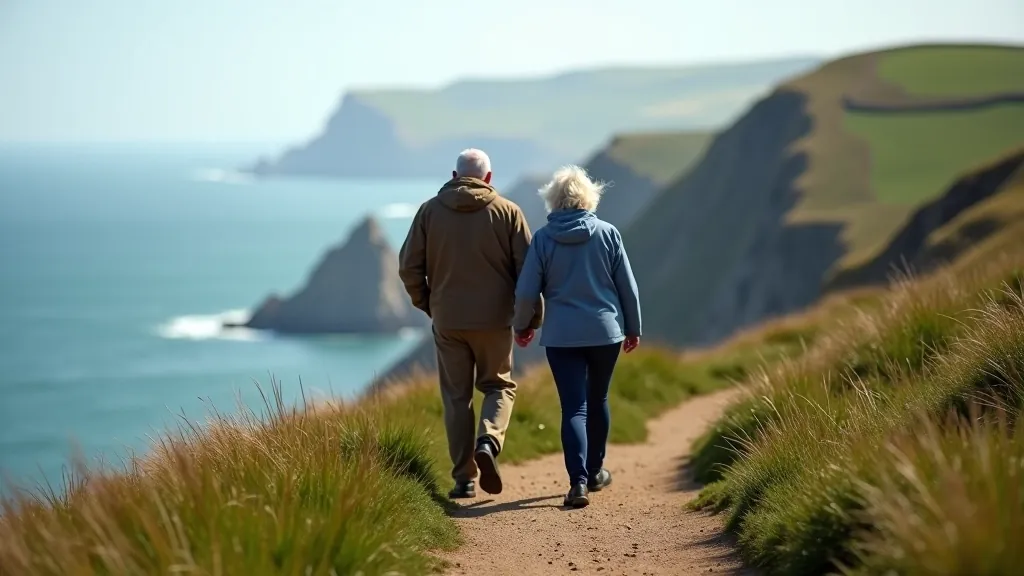

The Ballycotton Cliff Walk isn't your typical coastal hike. It's a 7-kilometer loop that's stayed relatively quiet compared to busier Cork trails, which means you'll get that peaceful seaside experience without fighting crowds on sunny days. The terrain's gentle — mostly flat with a few modest inclines that aren't steep enough to discourage anyone with basic fitness.
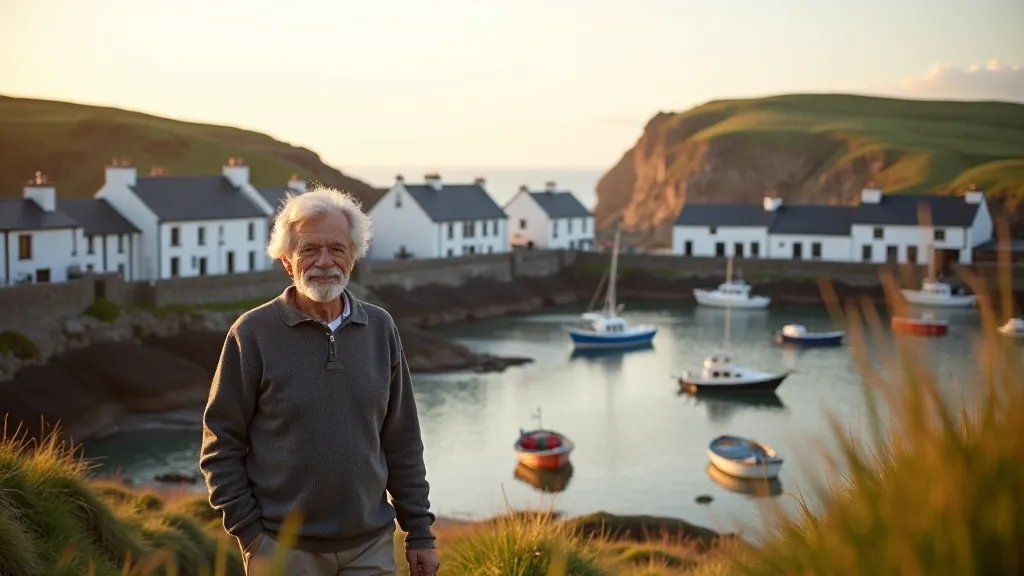
What makes it special for older walkers is the variety. You're not just trudging along a straight path. The route curves through a working fishing village, past old stone buildings, and along dramatic cliffs where you'll actually feel like you're somewhere. There's character here. Plus, it's accessible year-round, and you've got proper facilities nearby rather than starting from some isolated carpark.
7 kilometers round trip. Most walkers complete it in 2 to 2.5 hours, including photo stops and a rest break.
Mixed surfaces — coastal path, village streets, and gravel sections. Mostly flat with gentle rises. One steeper section lasting about 10 minutes.
Active walkers aged 60+ with moderate fitness. Good for first-time coastal walkers or anyone returning to regular activity.
Spring through early autumn. Spring (April–May) offers wildflowers. Autumn brings clearer skies and fewer tourists.
Start from the village car park. You'll walk past the harbor, watching fishing boats unload the day's catch. The path curves upward gently — nothing steep yet. You'll pass the old schoolhouse and reach the lighthouse area within 25-30 minutes. There's a bench here if you need a breather, and the views back toward the village are worth stopping for.
This is where the walk gets genuinely scenic. You're walking directly along the cliff edge with 40-50 meter drops to the rocks below. Don't worry — there's a proper fence the entire way. The path is wide and stable. On clear days you'll see Cork city in the distance. There are several viewing platforms where you can stand safely and take photographs. Seabirds wheel overhead. The walking here feels slower because you'll want to stop frequently.
The path turns inland through farmland and quiet country lanes. You'll lose the dramatic views but gain peace and quiet. This section is the flattest part of the walk — good for recovering if you've exerted yourself on the cliff path. You'll pass working farms, stone walls, and wildflowers depending on season. The return takes about 40 minutes at a comfortable pace.
This guide is informational only and doesn't replace professional advice. Before starting any new walking routine, especially if you've been inactive or have existing health conditions, consult your doctor or a physiotherapist. Everyone's fitness level is different. If any section feels too steep or tiring, it's completely fine to turn back or take extra rest breaks. Coastal weather changes quickly — bring layers and check conditions before you go.
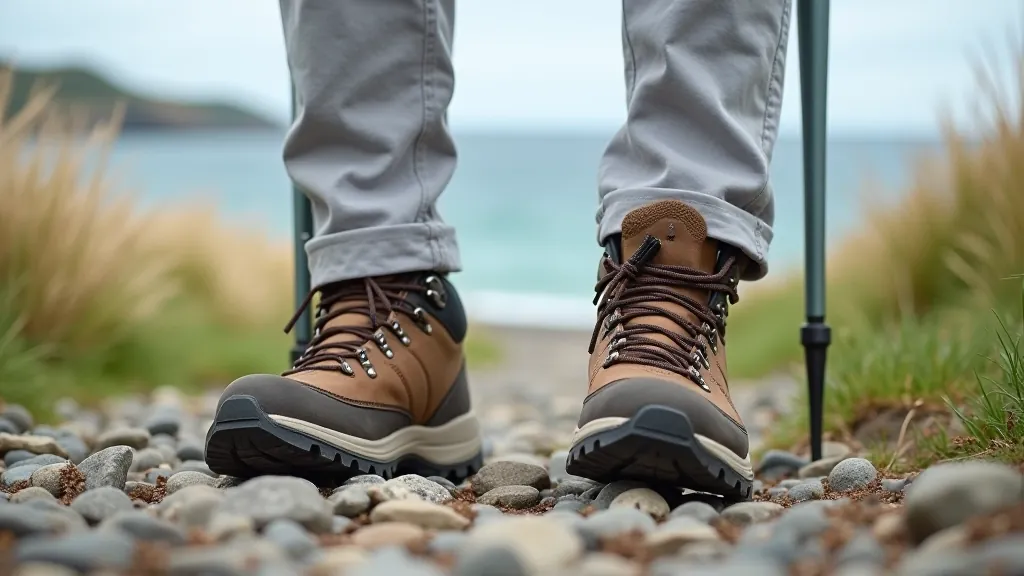
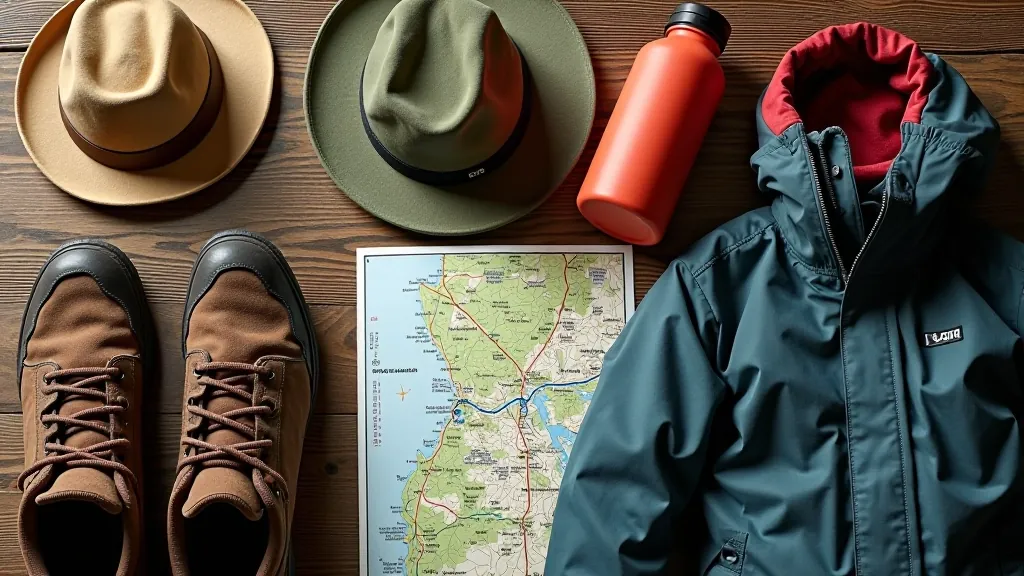
Footwear matters more than anything else on this walk. You want shoes with proper grip — hiking boots if you've got them, or sturdy walking shoes with thick soles. The gravel sections can shift underfoot, and you'll pass wet patches near the village. Avoid trainers. They'll leave your feet sore and won't give you confidence on the steeper bits.
Layers are essential. Coastal weather shifts constantly. You might start in sunshine and hit a sea breeze that's genuinely cold 30 minutes later. A lightweight waterproof jacket in your backpack takes up almost no space but makes a real difference. Bring water — aim for at least one liter, more if it's warm. The village has cafes, but you won't want to buy drinks halfway through the cliff section.
Beginning at 9 or 10 AM gives you the whole day. You're not rushed, and you'll finish before afternoon fatigue sets in. Plus, parking is easier and you'll have the village and cliff sections quieter than if you arrived mid-morning.
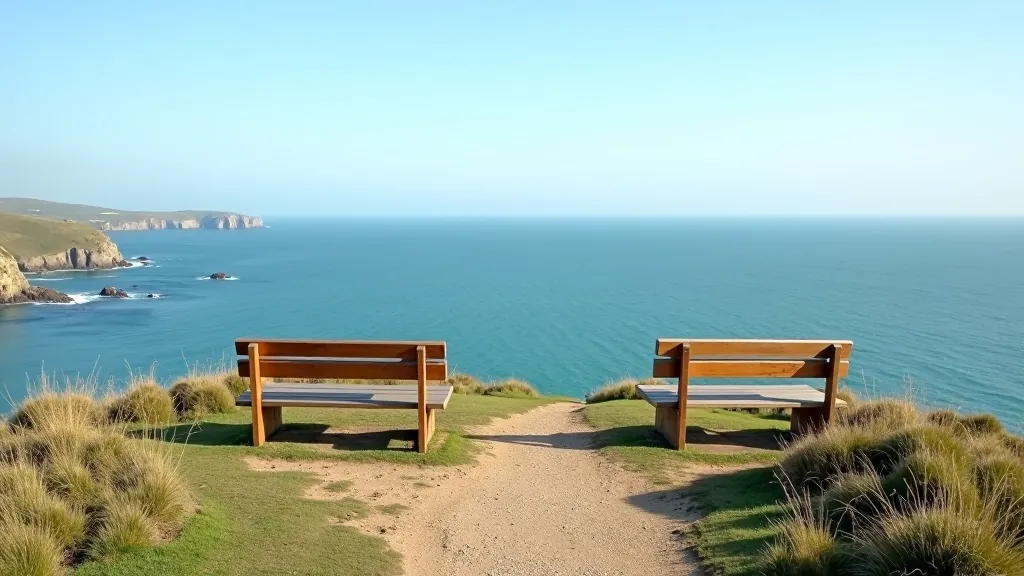
There are benches at the lighthouse and several viewing platforms. Use them. You don't need to push through tiredness. A 10-minute sit-down break with water actually makes you stronger for the remaining walk than forcing through.
The steepest section comes near the end on the return. Your legs are already tired. Go slowly. Use walking poles if you have them — they genuinely reduce strain on knees. There's no shame in taking 20 minutes for a section others might do in 10.
Wind can be surprisingly strong on exposed cliffs. Heavy rain makes surfaces slippery. Fog rolls in fast. Look at the forecast the night before. It's not about perfect weather — it's about being prepared for what's coming.

Walking Ballycotton isn't about conquering something or proving fitness. It's about standing on a cliff where the Atlantic Ocean stretches toward infinity, feeling the sea breeze, and realizing you walked there yourself. Your legs might be tired but your mind feels clear. The village at the end has a cafe where you can sit with a coffee and watch boats come in. That earned rest tastes different from a normal day's rest.
Most people who do this walk once come back. Not because it's difficult — it isn't. But because something about the combination of physical activity, fresh air, and genuine natural beauty sticks with you. You'll notice your legs feel stronger after a few visits. You'll start recognizing locals. You'll have a favorite spot on the cliff where the light hits just right.