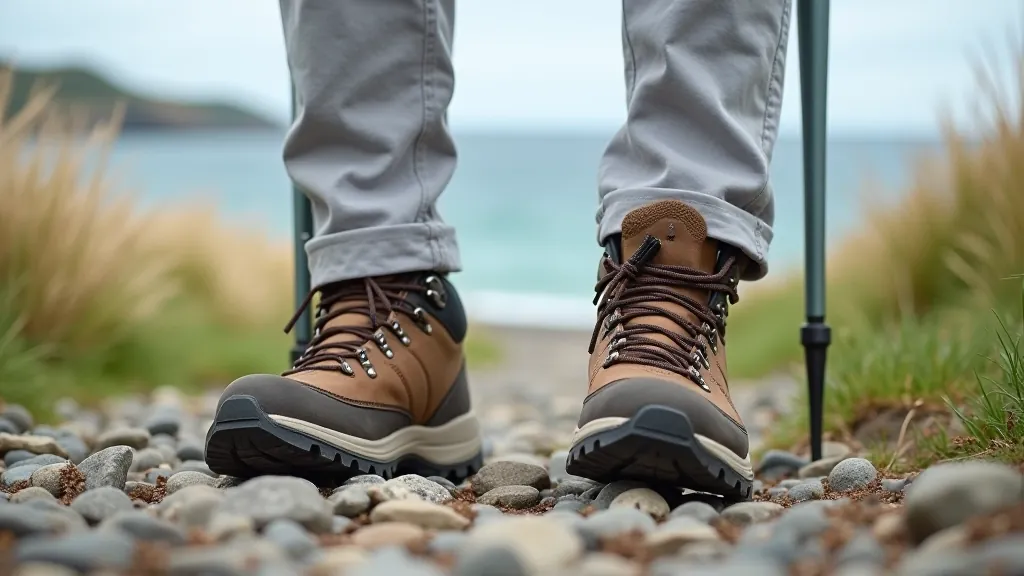

Why the Right Gear Makes All the Difference
Getting geared up properly isn't about looking the part. It's about comfort, safety, and actually enjoying your time on the trail. When you're wearing shoes that fit wrong, poles that don't support you, or layers that leave you either freezing or sweating, you're going to have a miserable experience. We've seen it happen too many times.
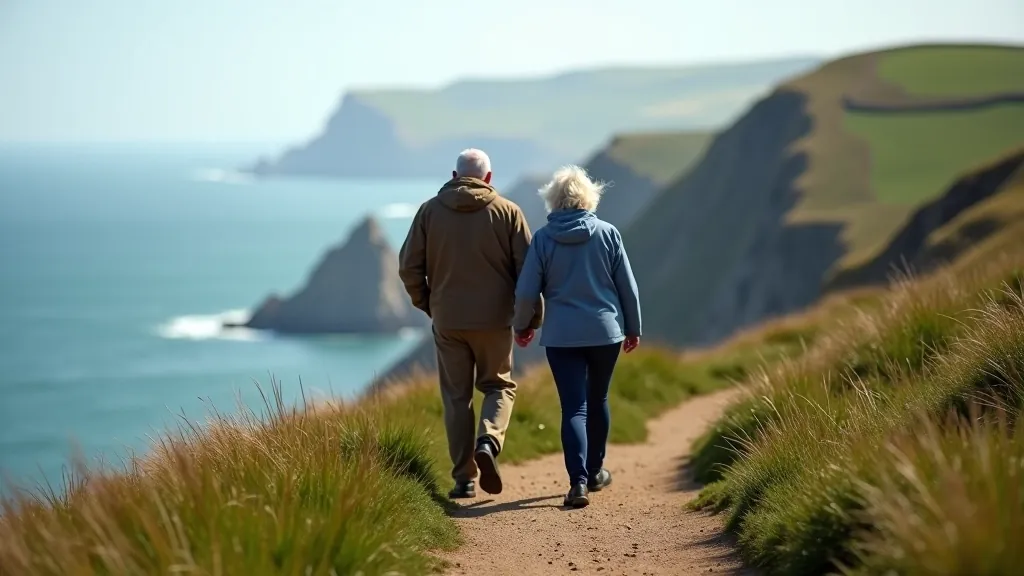
The good news? You don't need expensive equipment or a closet full of specialized gear. What you need is to understand what actually works for your body, your pace, and the Irish coastal terrain you're walking. Most walkers we work with find that once they get the fundamentals right, they walk further, feel better, and come back to the trail more often.
Footwear: The Foundation of Your Walk
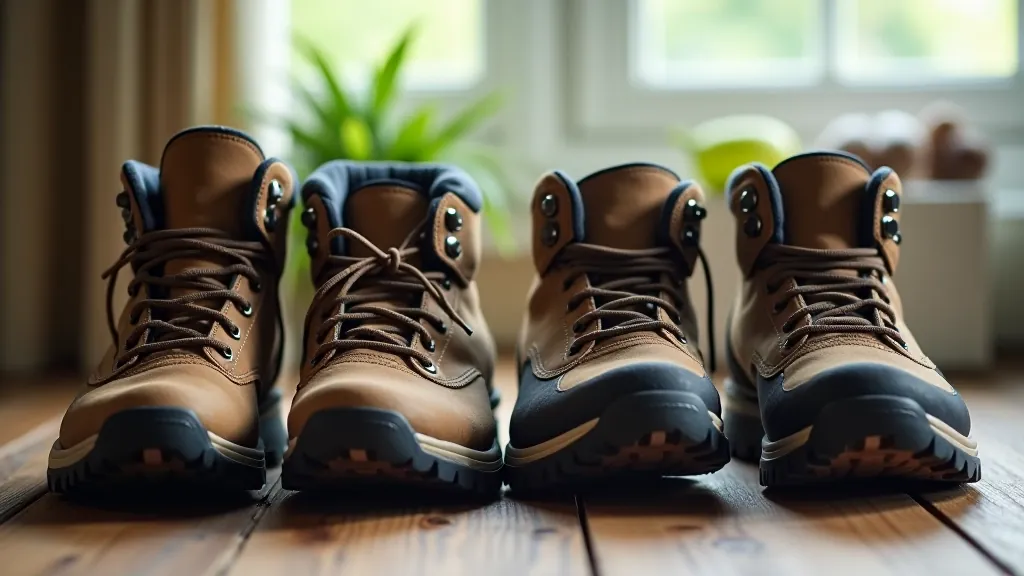
Your feet are doing the work. Get this wrong and your knees, hips, and back will remind you for days afterward. You'll want shoes with proper arch support—not too rigid, but definitely not those flat-soled shoes you'd wear around the house.
Look for boots or shoes with a cushioned midsole, waterproof uppers, and a tread pattern designed for wet conditions. On coastal paths, you'll encounter muddy sections, wet grass, and occasional loose gravel. A shoe with good grip prevents slipping, which is honestly the biggest safety concern we hear about. The best boots for coastal walking have a slight heel-to-toe drop—around 8-12mm—which reduces strain on your calf muscles during descent.
Don't underestimate the importance of trying them on with the socks you'll actually wear. Wear them around your home for a few days before hitting the trail. If they're uncomfortable in week one, they won't magically become comfortable in week six.
Pro tip: Many walkers find that mid-cut hiking shoes (not full boots) offer the best balance. They provide ankle support without the weight and heat of full boots, and they're easier to take on and off at rest stops.
Walking Poles: Your Second Set of Legs
If you've never used walking poles, you're missing out. Seriously. Poles distribute the impact across your upper body, taking pressure off knees and ankles. On coastal trails with uneven terrain, they're invaluable for stability.
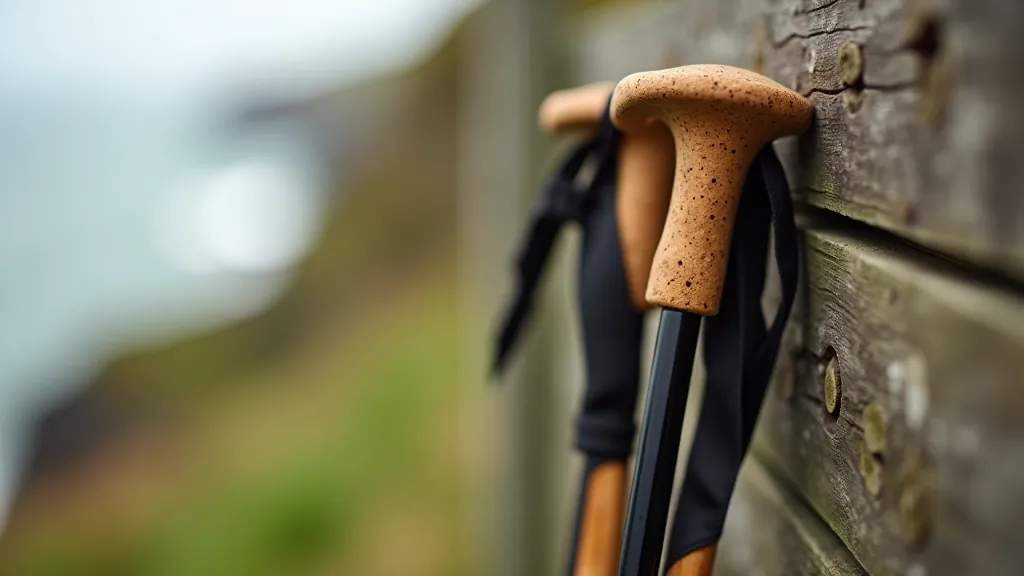
You'll want poles that adjust to your height—most coastal walkers we guide use poles set between 55-65cm depending on their height and the terrain. When you're walking downhill, you'll shorten them slightly. Uphill, you'll lengthen them a bit. The grip matters too. Cork-handled poles are comfortable and absorb sweat better than foam, but they do cost more. If you're just starting, foam grips work fine.
Here's what makes the biggest difference: using them properly. Plant them in front of you on downhill sections—this reduces the load on your joints by up to 25%. Push with them on uphill sections to help propel yourself forward. And yes, your arms will get tired initially, but that's actually good conditioning.
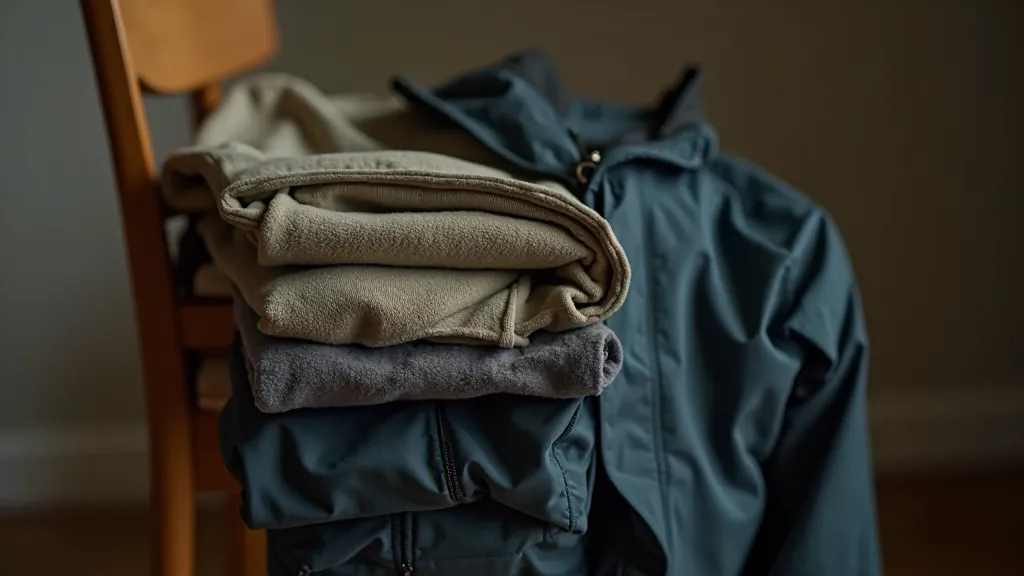
Clothing: Layer, Layer, Layer
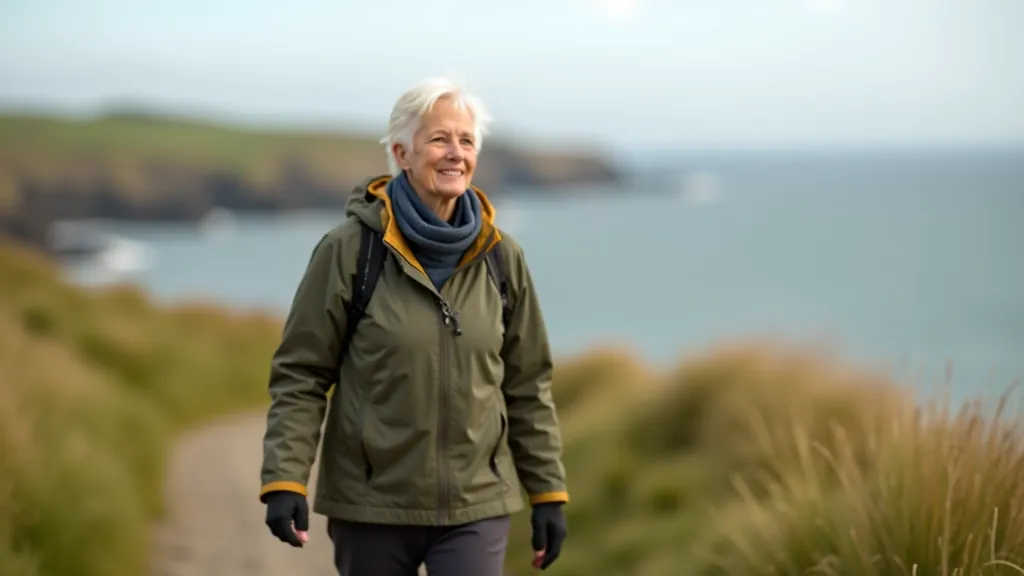
The Irish coast changes weather faster than you can change your mind. You'll be warm walking uphill, then suddenly freezing when you stop for a view. This is why layering is non-negotiable.
Start with a moisture-wicking base layer—merino wool or synthetic, nothing cotton. Cotton holds moisture and will leave you cold and uncomfortable. Add an insulating mid-layer like fleece or lightweight wool. Finally, wear a waterproof outer shell. You don't need expensive gear here. A simple polyester rain jacket from any outdoor shop works perfectly.
The beauty of this system is flexibility. Too warm? Strip off the mid-layer. Getting wet? The shell keeps you dry. The wind picks up? The layers trap heat. Most walkers carry a small backpack with their extra layers rather than wearing all three at once.
Disclaimer
This article provides educational information about hiking gear selection for seniors. Individual fitness levels, medical conditions, and physical capabilities vary greatly. Before starting any new walking or hiking activity, particularly if you have joint problems, balance issues, or other health concerns, consult with your healthcare provider. Gear recommendations are general guidance and should be adapted to your specific needs. Always assess trail conditions and weather before departing, and consider walking with a companion for safety.
Additional Gear Worth Considering
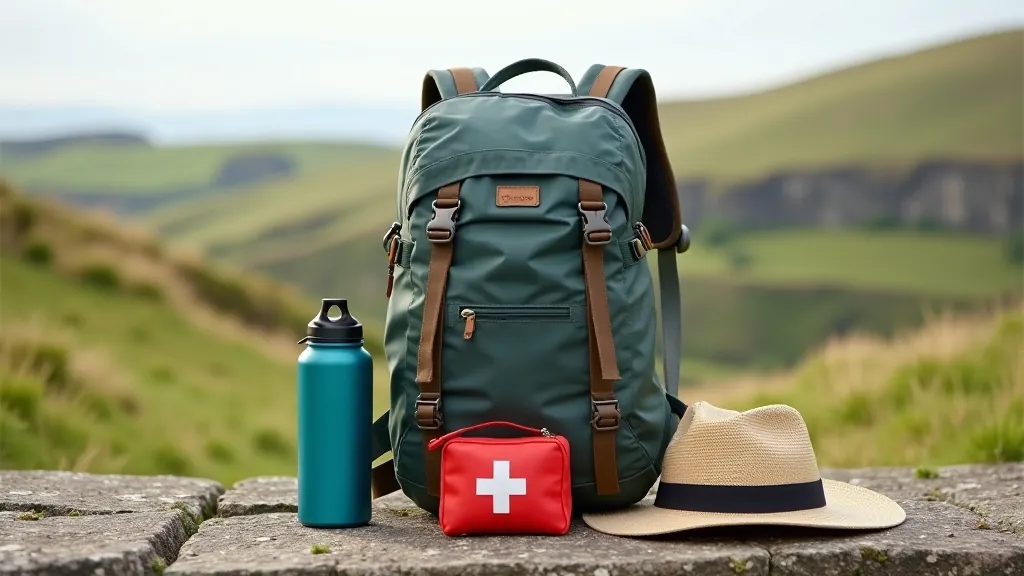
Beyond the basics, a few items make coastal hiking significantly more comfortable. A lightweight backpack (20-25 liters) distributes weight evenly and leaves your hands free. Sun protection matters—a wide-brimmed hat and sunscreen prevent fatigue from squinting and sunburn. Bring more water than you think you'll need. Dehydration sneaks up on you, and it affects your balance and energy levels.
A small first aid kit, a whistle, and a fully charged mobile phone are practical safety items. Consider gaiters if you'll be walking in muddy conditions—they keep debris out of your shoes and protect your lower legs. Most importantly, wear socks designed for hiking. Merino wool socks are brilliant because they regulate temperature and prevent blisters even when damp.